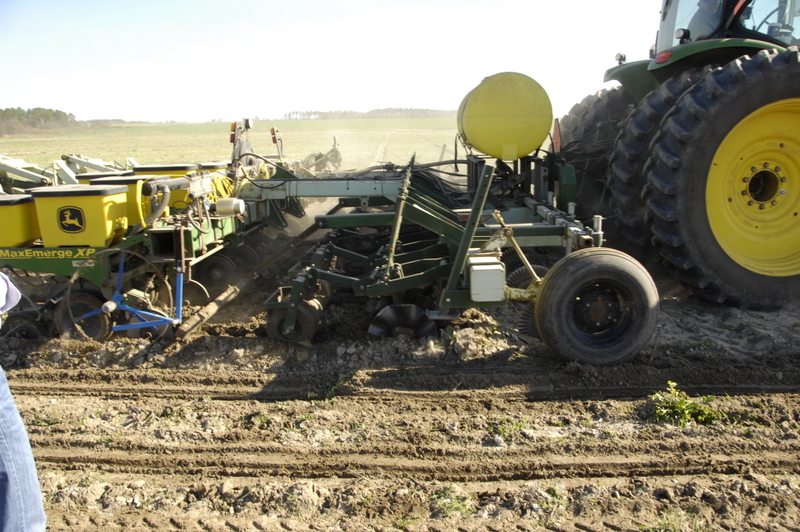
A well-planned fall program is the foundation for a productive growing season. After harvest, fields are often left with crop residues, depleted nutrients, and soil structure changes. Fall is the perfect time to replenish nutrients, manage residue, and prepare the soil for spring planting.
Why a Fall Program Matters
-
Nutrient Management: Replacing the nutrients removed during harvest helps maintain soil fertility.
-
Soil Health: Incorporating residues and organic matter improves soil structure and microbial activity.
-
Time Efficiency: Completing fieldwork in the fall reduces workload and delays during spring planting.
-
Better Yields: Crops benefit from a well-prepared seedbed and balanced nutrient availability.
Key Elements of a Fall Program
-
Soil Testing
-
Determines nutrient levels and pH balance.
-
Provides a clear guide for fertilizer planning.
-
-
Fertilizer Applications
-
Phosphorus (P) and Potassium (K): Stable in soil and effective when applied in fall.
-
Lime Applications: Adjust soil pH for better nutrient uptake.
-
-
Residue Management
-
Incorporate crop residues to improve organic matter.
-
Avoid excessive burning to preserve soil carbon.
-
-
Tillage or No-Till Preparation
-
Light tillage can help incorporate residues.
-
No-till practices can be combined with cover crops.
-
-
Cover Crops
-
Reduce soil erosion.
-
Fix nitrogen (legumes) and scavenge leftover nutrients (grasses).
-
Improve soil structure for spring planting.
-
Benefits of a Strong Fall Program
-
Reduced nutrient losses over winter
-
Better moisture retention in spring
-
Healthier soil biology
-
Higher efficiency of spring field operations
-
Improved long-term sustainability
Tips for Success
-
Use precision agriculture tools to apply nutrients only where needed.
-
Consider local weather patterns and soil types when making fall applications.
-
Rotate crops and cover crops for balanced soil health.