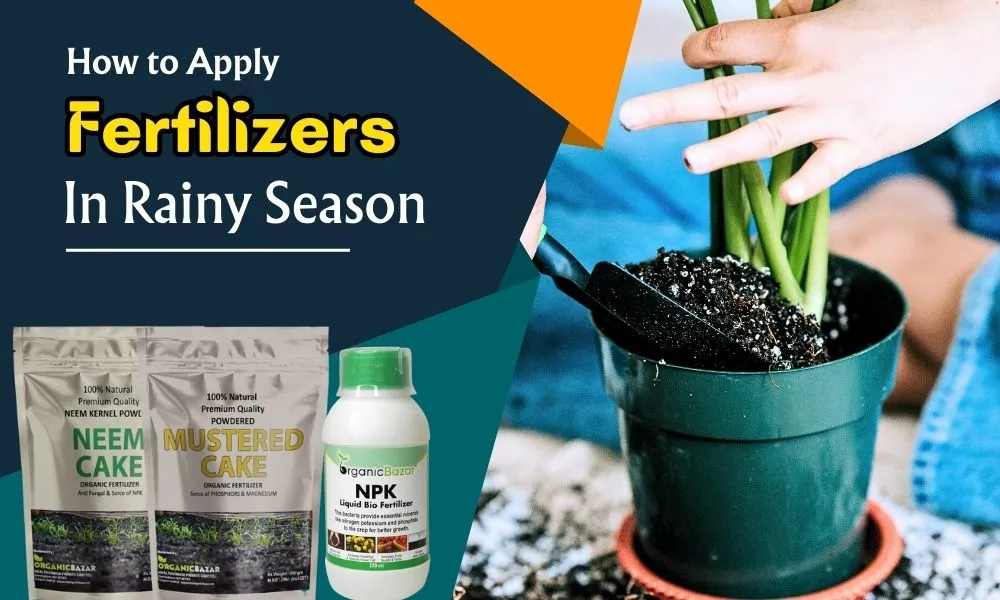
Fertilizer management doesn’t stop at planting. In-season fertilizer applications ensure crops receive the nutrients they need during their most critical growth stages. By monitoring crop progress and soil health throughout the season, farmers can make timely adjustments that directly impact yield and quality.
Why In-Season Fertilization is Important
Targeted Nutrient Supply: Provides nutrients exactly when plants demand them most.
Improved Efficiency: Reduces the risk of nutrient losses due to leaching or volatilization.
Higher Yields: Enhances crop performance and overall productivity.
Better Quality: Ensures optimal grain fill, fruit development, or vegetative growth.
Key Nutrients Applied In-Season
Nitrogen (N): Supports rapid growth and chlorophyll production.
Phosphorus (P): Strengthens root development and improves flowering.
Potassium (K): Enhances drought resistance and disease tolerance.
Micronutrients (Zn, Fe, Mn): Correct minor deficiencies that can affect crop health.
Common In-Season Application Methods
Foliar Sprays: Quick nutrient absorption through leaves.
Side-Dressing: Placing fertilizer alongside growing plants.
Fertigation: Delivering nutrients via irrigation systems.
Top-Dressing: Broadcasting fertilizer across the field during growth.
Benefits of Timely Application
Maximizes return on fertilizer investment
Supports sustainable farming practices
Improves nutrient uptake efficiency
Helps crops withstand stress (drought, pests, disease)
Best Practices for In-Season Fertilization
Regular soil and tissue testing to identify nutrient needs
Applying nutrients in split doses instead of a single heavy application
Using precision agriculture tools (drones, sensors, GPS-guided equipment) for accuracy
Monitoring weather conditions to avoid nutrient losses