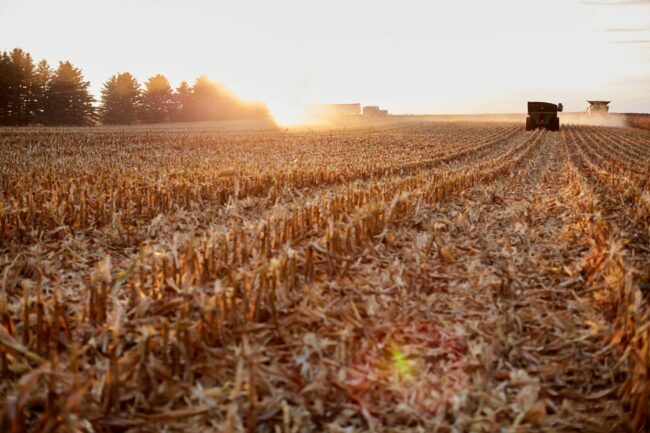
After the harvest season, crop residues left in the field play an important role in soil health and future productivity. Residue management involves understanding how plant materials such as stems, leaves, and roots break down over time and contribute to the soil ecosystem.
Why Residue Breakdown Matters
Soil Fertility: Decomposed residues release essential nutrients like nitrogen, phosphorus, and potassium back into the soil.
Soil Structure: Organic matter improves water retention, reduces compaction, and enhances aeration.
Microbial Activity: Residues feed beneficial soil microbes, creating a balanced soil environment.
Factors Affecting Breakdown
Moisture Levels – Adequate soil moisture speeds up decomposition.
Temperature – Warmer conditions encourage microbial activity.
Residue Type – Soft plant material (leaves) breaks down faster than woody stalks.
Soil Management – Tillage and crop rotation influence residue decomposition rates.
Benefits of Proper Residue Management
Reduced need for synthetic fertilizers
Improved crop yields in the following season
Enhanced soil carbon storage
Minimized soil erosion
Sustainable Practices
Incorporating residues back into the soil
Using cover crops to complement residue decomposition
Avoiding excessive burning of crop waste
Balancing residue management with nutrient planning